CRVA | Climate Risk Vulnerability Assessment
A structured guide to Climate Risk Vulnerability Assessment (CRVA), explaining how infrastructure leaders can evaluate climate impacts on assets, comply with EU regulations, and prioritise resilience investments.
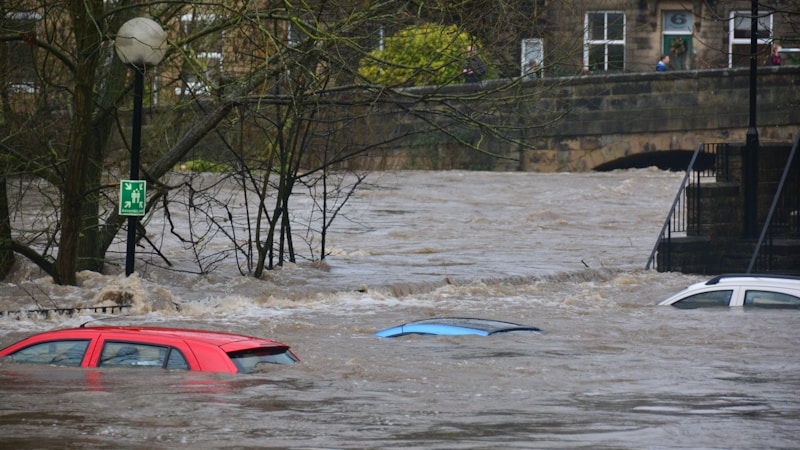
Infrastructure faces mounting climate threats. Within the next decade, millions in assets risk flooding, overheating, and storm damage. Europe alone recorded EUR 822 billion in weather and climate-related losses between 1980-2024, with recent years among the costliest.
What is a CRVA?
A Climate Risk Vulnerability Assessment provides a structured, science-based framework to evaluate how climate change could impact your assets, operations, and financial performance over time.
Unlike generic regional models, effective CRVAs deliver location-specific insights. Key components include:
- Hazard mapping: Identifying climate risks (heat stress, flooding, drought, storms, sea-level rise)
- Vulnerability analysis: Assessing how design, materials, and operational factors affect resilience
- Financial quantification: Converting physical risks into measurable costs and revenue impacts
- Adaptation planning: Ranking actions by return on resilience investment
The methodology aligns with ISO 14091:2021, a recognised standard for climate vulnerability assessment.
Why CRVA Matters Now
Economic Reality
Europe’s EUR 820+ billion in uninsured climate damages (1980-2024) demonstrates exposure. Only 25-33% of losses were insured.
Regulatory Drivers
The Corporate Sustainability Reporting Directive (CSRD) and EU Taxonomy Regulation mandate physical climate risk disclosure. Yet forward-thinking organisations view CRVA beyond compliance - as a value-protection and investment-optimisation tool.
Return on Investment
The Global Commission on Adaptation estimates every euro invested in adaptation yields EUR 2-10 in economic benefits, making resilience planning financially sound.
Components of an Effective CRVA
- Hazard Identification and Exposure Mapping: High-resolution data pinpoints asset vulnerability to chronic and acute hazards
- Vulnerability and Sensitivity Analysis: Assets assessed for withstand capacity based on materials, location, and design
- Risk Quantification: Multiple climate scenarios reveal financial exposure and guide capital allocation
- Adaptation Options Ranking: Actions prioritised by effectiveness and resilience ROI
- Monitoring and Governance: Findings embedded in enterprise risk systems and regularly reviewed
From Assessment to Action
CRVA value emerges only through tangible outcomes. Insights must inform investment, insurance, and operational decisions. Early-acting organisations gain competitive advantages: improved investor confidence, preferential financing, and operational continuity during extreme weather.
CRVAs are mandatory under CSRD and EU Taxonomy Regulation (2021/2139). The adaptation investment is estimated to yield 4:1 benefit-to-cost ratio by 2030.
The climate data your financial models are missing.
Get climate intelligence on your portfolio - in 48 hours.
Get Your Climate Assessment